What Is Affecting Your Abdominal Pain, and How Can You Treat It?
Overview
Abdomen pain can be caused by a variety of conditions, ranging from gas to more serious conditions such as appendicitis or Crohn's disease. Taking note of the severity and area of the abdomen affected can aid in diagnosis.
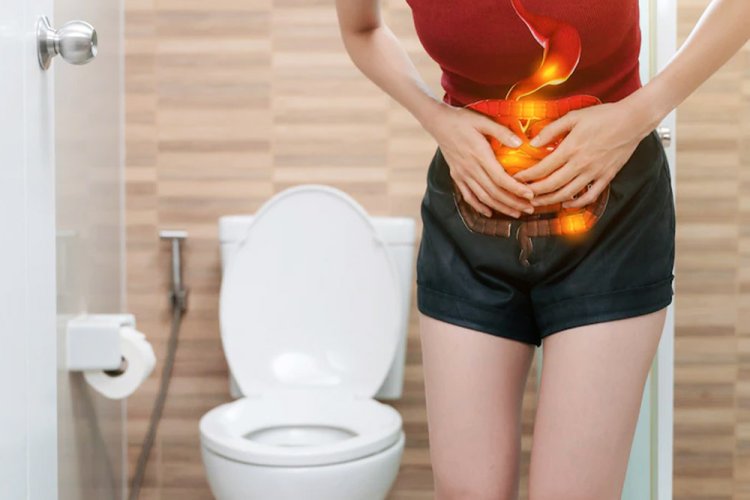
Pain that occurs between the chest and pelvic regions is referred to as abdominal pain. Cramping, achy, dull, intermittent, or sharp abdominal pain can occur. It's also known as a stomach ache.
The pain is restricted to one area of the abdomen. This type of pain is frequently caused by issues with a specific organ. Stomach ulcers are open sores on the stomach's inner lining that are the most common cause of sharp pain.
Cramp-like pain can occur in conjunction with diarrhoea, constipation, bloating, or flatulence. It can be associated with menstruation, miscarriage, or reproductive complications in people who were assigned female at birth. This pain comes and goes and may resolve itself without treatment.
Infections of the stomach and intestines caused by viruses, bacteria, or parasites can also cause severe abdominal pain.
What exactly is abdominal pain?
Abdominal pain can occur anywhere on your body between the chest and the groin. The pain could be generalized, localized, or feel like cramps in your stomach. If you have stomach cramps or discomfort, it could be due to gas, bloating, or constipation. It could also be a symptom of a more serious medical condition.
The colicky pain in the abdomen comes and goes. You may feel fine one moment and then experience sharp, sudden pain in your abdomen the next. This type of pain is frequently caused by kidney stones and gallstones.
Types of Abdominal Pain
The type of the Abdominal Pain
- Visceral Abdominal Pain
Visceral pain is pain caused by nociceptors in the thoracic, pelvic, or abdominal viscera being activated (organs). Visceral structures are extremely sensitive to distension (stretching), ischemia, and inflammation, but relatively insensitive to other pain-inducing stimuli such as cutting or burning.
- Parietal Abdominal Pain
When the peritoneal lining is irritated, breathing becomes difficult due to the sharp, localized pain. The perineum is the membrane that lines the abdomen and serves to support and protect the organs. Because it contains a large number of nerve fibers, the resulting pain is intense.
- Referred Abdominal Pain
Referred abdominal pain occurs when the brain is unable to pinpoint the source of discomfort as a result of nociceptive dorsal horn neurons receiving convergent input from multiple tissues. It is usually found in the cutaneous dermatome, at the same level of the spinal cord as the visceral inputs.
Symptoms
When to call a doctor/healthcare about your abdominal pain:
Consult your doctor if your abdominal pain is severe, does not go away, or returns. If you have any chest pain or your belly hurts because of a recent injury, call 911 right away.
You should also contact your doctor as soon as possible if you have any of the following symptoms in addition to the pain:
- Fever Can't eat for more than two days
- Signs of dehydration include infrequent urination, dark-colored urine, and extreme thirst.
- You can't have a bowel movement if you're also vomiting.
- Pain when peeing or the need to urinate frequently
Also, call your doctor if you are suffering from:
- Your belly is tender to the touch
- Pain lasts more than a few hours
Get medical care right away if you have abdominal pain:
- Bloody bowel movements
- Vomit constantly
- Have pale or yellow skin
- Unexplained weight loss
- If you are pregnant
- Swelling in your belly
Treatment
The cause of abdominal pain determines the treatment. Depending on the source of your pain, the best course of action may include self-care, over-the-counter or prescription medications, or procedures such as drug injections or surgery.
Self-Care Strategies
Mild abdominal pain caused by digestive upset may respond to the following short-term self-care measures:
For a few hours, avoid solid foods.
Water or clear fluids for sipping
You should rest until you feel better.
Dairy products, citrus fruits, fatty foods, tomato products, caffeine, alcohol, and carbonated beverages should all be avoided.
Stick to bland foods such as crackers, rice, bananas, or applesauce.
Medication Alternatives
It's generally not a good idea to take any medications for abdominal pain without first consulting with your doctor, because some common pain relievers can irritate your digestive tract and make your pain worse.
If you have an underlying health condition that necessitates medical treatment, your doctor may prescribe the following medications:
- Medications for gastroesophageal reflux disease (GERD)
- Antibiotics are used to treat infections.
- Anti-inflammatory medications
- Inflammatory bowel disease treatments that are targeted (IBD)
Surgery and Procedures
In rare cases, office procedures or surgery may be required to treat your abdominal pain effectively. Among these procedures are the following:
- A numbing agent is injected.
- Injections of corticosteroids
- Surgery to repair a hernia
- Appendectomy
Causes
Abdominal pain can be caused by a variety of conditions. However, the following are the primary causes:
- infection
- abnormal development
- inflammation
- stumbling block (blockage)
- gastrointestinal issues
- inflammation
- diseases affecting the abdominal organs
Bacteria can enter your digestive tract as a result of infections in your throat, intestines, or blood. These infections can also cause digestive issues such as diarrhea or constipation.
Cramps associated with menstruation can also cause lower abdominal pain, but they are more commonly associated with pelvic pain.
Other common causes of abdominal pain are as follows:
- constipation
- diarrhea
- gastrointestinal disease (stomach flu)
- acid reflux (a condition in which stomach contents leak backward into the esophagus, causing heartburn and other symptoms)
- vomiting
- stress
Chronic abdominal pain can be caused by digestive system diseases. The most typical are:
- gastroesophageal reflux syndrome (GERD)
- spastic colon or irritable bowel syndrome (a disorder that causes abdominal pain, cramping, and changes in bowel movements)
- Celiac disease (an inflammatory bowel disease)
- lactose sensitivity (the inability to digest lactose, the sugar found in milk and milk products)
The following are some of the causes of severe abdominal pain:
- rupture or near-rupture of an organ (like a burst appendix, or appendicitis)
- stones in the gallbladder (known as gallstones)
- stones in the kidneys
- Infection of the kidneys
The location of the pain within the abdomen may provide information about its cause.
Generalized abdominal pain (pain in more than one location) may indicate:
- apprehension (inflammation of the appendix)
- Celiac disease
- traumatic harm
- IBS (irritable bowel syndrome)
- infection of the urinary tract
- influenza
Pain in the lower abdomen could be caused by:
- intestinal obstruction appendicitis
- ectopic conception (a pregnancy that occurs outside the womb)
Pain in the reproductive organs of the lower abdomen in people assigned female at birth can be caused by:
- severe menstrual cramps (called dysmenorrhea)
- cysts in the ovaries
- miscarriage \fibroids
- pelvic inflammatory disease caused by endometriosis
- ectopic conception
Upper abdominal pain can be brought on by:
- gallstones
- coronary artery disease
- liver disease (liver inflammation)
- pneumonia
Pain in the center of the abdomen could be caused by:
- appendicitis
- gastroenteritis
- injury
- Uremic syndrome (buildup of waste products in your blood)
The following conditions may cause lower left abdominal pain:
- Celiac disease
- cancer
- Infection of the kidneys
- cysts in the ovaries
- appendicitis
Upper left abdominal pain can be caused by:
- spleen enlargement
- fecal impaction (inability to eliminate hardened stool
- injury
- Infection of the kidneys
- coronary artery disease
- cancer
Lower right abdominal pain can be caused by the following factors:
- appendicitis
- a hernia (when an organ protrudes through a weak spot in the abdominal muscles)
- Infection of the kidneys
- cancer
- flu
Upper right abdominal pain could be caused by:
- hepatitis
- injury
- pneumonia
- appendicitis
What's Your Reaction?