Appendicitis: Everything You Need to Know
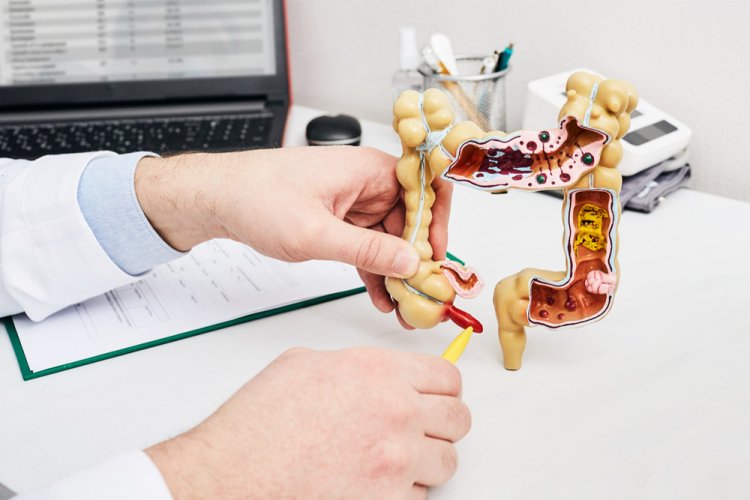
Appendicitis is a condition that causes the appendix to swell, become inflamed, and fill with pus. The appendix is a small finger-shaped organ connected to the large intestine on the right side of the abdomen.
Appendicitis is an inflammation of the appendix, a finger-shaped pouch on the lower right side of your abdomen that projects from your colon.
Pain in your lower right abdomen is caused by appendicitis. In most people, however, pain begins around the navel and progresses. Appendicitis pain typically worsens as the inflammation worsens and eventually becomes severe.
Although appendicitis can affect anyone, it most commonly affects people between the ages of 10 and 30. The appendix is typically removed surgically.
The appendix is a small pouch that connects the intestine to the stomach. It's in your lower right abdomen. Bacteria can multiply inside your appendix if it becomes blocked. This can result in the formation of pus and swelling, resulting in painful pressure in your abdomen. Appendicitis can also cause a blockage in blood flow.
Appendicitis, if left untreated, can cause your appendix to burst. This can cause bacteria to enter your abdominal cavity, which can be dangerous and even fatal.
Symptoms
Appendicitis's classic symptoms include:
- Lower right belly pain or pain near your navel that moves lower. This is usually the first indication.
- Appetite loss
- Nausea and vomiting occur shortly after the onset of stomach pain.
- Swollen stomach
- Fever of 99-102 degrees Fahrenheit
- unable to pass gas
Other less common appendicitis symptoms include:
- Dull or sharp pain in your upper or lower belly, back, or tailbone
- Peeing that is painful or difficult
- Vomiting before your stomach pain begins
- Cramps that are unbearable
- Constipation or diarrhoea accompanied by gas
- If you experience any of these symptoms, you should see a doctor right away. It is critical to receive prompt diagnosis and treatment. Avoid eating, drinking, or using any pain relievers, antacids, laxatives, or heating pads.
Types of Appendicitis
There are two types of Appendicitis depending on the onset which are:
- Acute Appendicitis
- Chronic Appendicitis
- Acute Appendicitis
Acute appendicitis is a severe and unexpected form of appendicitis. It is most common in children and young adults aged 10 to 30 years, and males are more likely to be affected than females. Over the course of 24 hours, pain tends to develop and intensify quickly.
It necessitates immediate medical attention. It can rupture your appendix if left untreated. This is a potentially fatal complication.
- Chronic Appendicitis
Acute appendicitis is more common than chronic appendicitis. It affects only about 1.5 percent of people who have previously had chronic appendicitis.
Chronic appendicitis symptoms can be mild and are thought to occur after a case of acute appendicitis. Symptoms may disappear for a few weeks, months, or even years before reappearing.
This type of appendicitis can be difficult to identify. It is sometimes not diagnosed until it has progressed to acute appendicitis.
Causes
The exact cause of appendicitis is unknown in many cases. It is believed to develop when a section of the appendix becomes obstructed or blocked.
Many things can obstruct your appendix, including:
- a hardened stool build-up
- lymphoid follicles enlargement
- Worms in the intestine
- traumatic harm
- tumors
Abdominal pain can be caused by a variety of other conditions.
Anyone can get appendicitis. However, some people may be more prone to developing this condition than others. Appendicitis risk factors include:
- Age:Appendicitis is most common in teenagers and people in their twenties. But it can happen at any age.
- Sex:Males are more likely than females to develop appendicitis.
- A family tree:People with a family history of appendicitis are more likely to develop it.
Treatment
Your doctor's recommended appendicitis treatment plan will most likely include antibiotics followed by surgery to remove your appendix. This is referred to as an appendectomy.
One or more of the following treatments may also be used:
If your abscess has not ruptured, you may use needle drainage or surgery to drain it before undergoing surgery.
- numbing agents
- intravenous fluids
- diet consisting of liquids
Mild appendicitis may improve with antibiotics alone in rare cases. In most cases, however, you will require surgery to remove your appendix.
Prevention
There is no completely reliable way to avoid appendicitis. However, by eating a fiber-rich diet, you may be able to reduce your risk of developing it. Although more research on the potential role of diet is needed, appendicitis is less common in countries where people consume a high-fiber diet.
Fiber-rich foods include the following:
- fruits
- vegetables
- legumes such as lentils, split peas, beans, and other legumes
- Whole grains such as oatmeal, brown rice, whole wheat, and others
Your doctor may also recommend that you take a fibre supplement.
What's Your Reaction?