What you need to know about Acid Reflux? & Why?
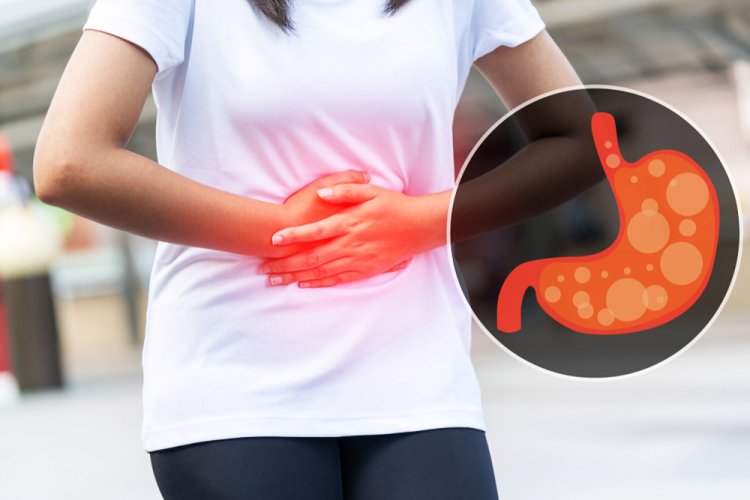
Acid Reflux is the most common condition characterized by burning pain in the lower chest area known as heartburn. It occurs when stomach acid returns to the food pipe.
The high consumption of citrus fruits, sodas and juices during the summer months can induce acid reflux.
Acid reflux occurs when some of the stomach’s acid content flows up into the esophagus, causing food to flow down from the mouth. The stomach contains. a strong acid that aids in the digestion of food and protects against pathogens. The stomach lining is specially adapted to protect it from the powerful acid, but the esophagus is not. A muscle ring normally acts as a valve, allowing food into the stomach contents to be regurgitated into the esophagus, and acid reflux symptoms such as heartburn occur.
Symptoms
The most common symptom of acid reflux is heartburn. Heartburn is a burning sensation that occurs in the esophagus and is felt behind the breastbone. It usually worsens when the person lies down or bends over. It can last for several hours and worsens after eating.
When heartburn occurs on a regular basis – two or more times per week – it is referred to as gastroesophageal reflux disease. Other symptoms may also occur, such as:
- Asthma
- Nausea
- Vomiting
- Throat Problem
- Difficult or pain when swallowing
- Chest or upper abdominal pain
- Dry, persistent cough
- Dental Erosion
- Bad Breath
The food may help reduce your symptoms:
There are some of the specific foods you can incorporate into your diet to manage symptoms of acid reflux.
- Green Leafy Vegetables
- Ginger
- Oatmeal
- Non-citrus fruits
- Egg whites
- Healthy fats (walnuts, olive oil, sesame oil,etc)
Changes in lifestyle to treat acid reflux:
Avoiding foods and beverages that cause symptoms is one of the most effective ways to treat acid reflux disease. Here are some additional steps you can take:
- Throughout the day, eat smaller meals more frequently.
- Give up smoking.
- Place blocks under the head of your bed to raise it by 4 to 6 inches.
- Do not eat anything for at least 2 to 3 hours before lying down.
- Wear no clothing or belts that are too tight.
- If you are overweight or obese, begin a weight-loss program that includes exercise and dietary changes.
Foods that are common reflux triggers
Certain foods are known to aggravate the disease in many people. To begin controlling your symptoms, you could cut out the following foods from your diet.
- High-fat foods are like:
- French fries and onion rings
- Full-fat dairy products such as butter, whole milk, regular cheese and sour cream
- High-fat desserts or snacks such as ice cream and potato chips
- Cream sauces, gravies and creamy salad dressing
Citrus fruits like:
- Oranges
- Grapefruit
- Lemons
- Limes
- Pineapple
- Tomatoes
Causes
The lower esophageal sphincter's weakness or relaxation causes acid reflux (valve). Normally, after food enters your stomach, this valve closes tightly. If it relaxes when it shouldn't, the contents of your stomach rise back up into your esophagus.Acid refluxing from the stomach into the esophagus. Reflux occurs when stomach acids flow back up into the esophagus.
Acid reflux occurs when the LES fails to tighten or close properly. This allows digestive juices and other stomach contents to rise into your esophagus.
Other possible explanations include:
- Hiatus hernia When a portion of the stomach moves above the diaphragm and towards the chest. If your diaphragm is damaged, it increases the likelihood that your LES will not function properly.
- Large meals are frequently consumed. This can result in stomach distension in the upper part. This distension can indicate a lack of pressure on the LES, causing it to fail to close properly.
- Too soon after a large meal, lie down. This can also result in less pressure than the LES requires for proper operation.
Risk Factors:
The following conditions can increase your risk of GERD:
- Obesity
- Bulging of the upper stomach into the diaphragm (hiatal hernia)
- Pregnancy
- Scleroderma and other connective tissue disorders
- Stomach emptying is delayed.
The following factors can aggravate acid reflux:
- Smoking
- Eating large amounts of food or eating late at night
- Consumption of certain foods (triggers), such as fatty or fried foods
- Consumption of certain beverages, such as alcohol or coffee
- Taking aspirin or other medications
Treatment
To manage and relieve the symptoms of Acid Reflux, your doctor may advise you to make the following lifestyle changes:
- keeping a healthy weight, if applicable
- If you smoke, you should consider quitting.
- avoiding large, heavy dinners in the evening
- lying down for a few hours after eating
- elevating your head while sleeping (by raising the head of your bed 6-8 inches)
- Medication
Your doctor may also advise you to take over-the-counter (OTC) medications such as those listed below. All of these medications may cause side effects, so consult your doctor to determine which option is best for you.
- Antacids
Tums and other antacids are commonly used to treat occasional and mild symptoms of acid reflux and GERD. However, if you find yourself taking antacids almost every day, you may require stronger medication.
- H2 receptor antagonists
H2 blockers, such as Pepcid AC, work to reduce the amount of acid produced by your stomach. Many H2 blockers are available over-the-counter, and higher doses can also be prescribed.
It's worth noting that one type of H2 blocker, ranitidine (also known as Zantac), was recently recalled by the FDA Trusted Source for containing the carcinogen N-Nitrosodimethylamine (NDMA).
- Inhibitors of the proton pump (PPIs)
PPIs, such as Prilosec, also reduce the amount of acid produced by your stomach. They are more beneficial than H2 blockers in terms of healing the esophageal lining, which can become damaged when someone has GERD for a long period of time.
What's Your Reaction?