
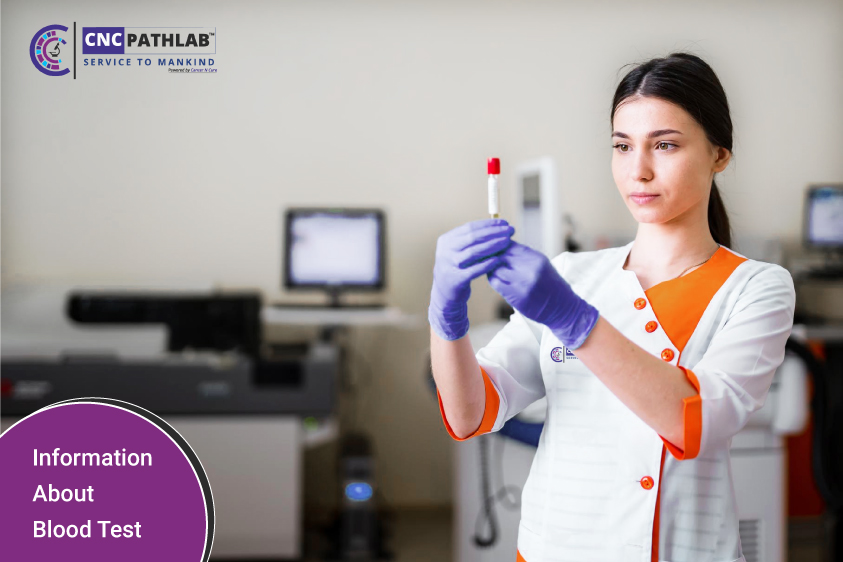
What You Need to Know About Blood Testing
Blood tests are an important diagnostic tool used to evaluate a person's overall health and detect medical conditions. A blood test involves analyzing a sample of blood to measure various components and determine if they are within normal ranges. This can help healthcare professionals make a diagnosis, monitor treatment effectiveness, and assess a person's overall health.
There are many types of blood tests, and each provides different information about a person's health. Some of the most common blood tests include:
- Complete Blood Count (CBC): A CBC measures the levels of red blood cells, white blood cells, and platelets in the blood. This test can help diagnose anemia, infections, and blood disorders.
- Lipid Panel: This test measures the levels of cholesterol and triglycerides in the blood. High levels of these substances can increase the risk of heart disease.
- Glucose Test: This test measures the amount of glucose (sugar) in the blood. High levels of glucose can indicate diabetes.
- Liver Function Test: This test measures the levels of enzymes and proteins in the blood to evaluate the functioning of the liver. Abnormal levels may indicate liver disease or damage.
- Kidney Function Test: This test measures the levels of various chemicals in the blood to evaluate the functioning of the kidneys. Abnormal levels may indicate kidney disease or damage.
- Thyroid Function Test: This test measures the levels of thyroid hormones in the blood. Abnormal levels may indicate an underactive or overactive thyroid gland.
Blood test in Delhi is usually performed in a laboratory by trained medical professionals. The process involves drawing a sample of blood from a vein in the arm, which is then sent to the laboratory for analysis. The results are usually available within a few days.
It is important to follow any instructions given by the healthcare provider before a blood test. For example, some tests may require fasting or avoiding certain medications before the test.
Blood tests are generally safe, but like any medical procedure, there is a small risk of complications, such as bleeding or infection. However, the benefits of a blood test usually outweigh the risks.
One of the biggest advantages of a blood test is that it can help detect medical conditions early before symptoms develop. This is especially important for conditions like diabetes and heart disease, which may not have any noticeable symptoms in the early stages.
Blood tests can also help healthcare providers monitor the effectiveness of treatment for certain medical conditions. For example, a person with diabetes may have regular blood tests to monitor their blood sugar levels and adjust their treatment as needed.
Another benefit of blood tests is that they can help healthcare providers assess a person's overall health. By measuring various components in the blood, healthcare providers can get a snapshot of a person's health and identify any potential areas of concern.
Blood tests can be especially important for people with a family history of certain medical conditions. For example, if a person has a family history of heart disease, they may have regular lipid panel tests to monitor their cholesterol levels and reduce their risk of heart disease.
In conclusion, blood tests are an essential diagnostic tool that can help healthcare providers assess a person's overall health, diagnose medical conditions, and monitor treatment effectiveness. There are many types of blood tests, and each provides different information about a person's health. If you have concerns about your health or are experiencing symptoms, talk to your healthcare provider about whether a blood test is appropriate for you. Regular blood tests can help detect medical conditions early when they are easier to treat and can help you stay on top of your health.


.jpg)